
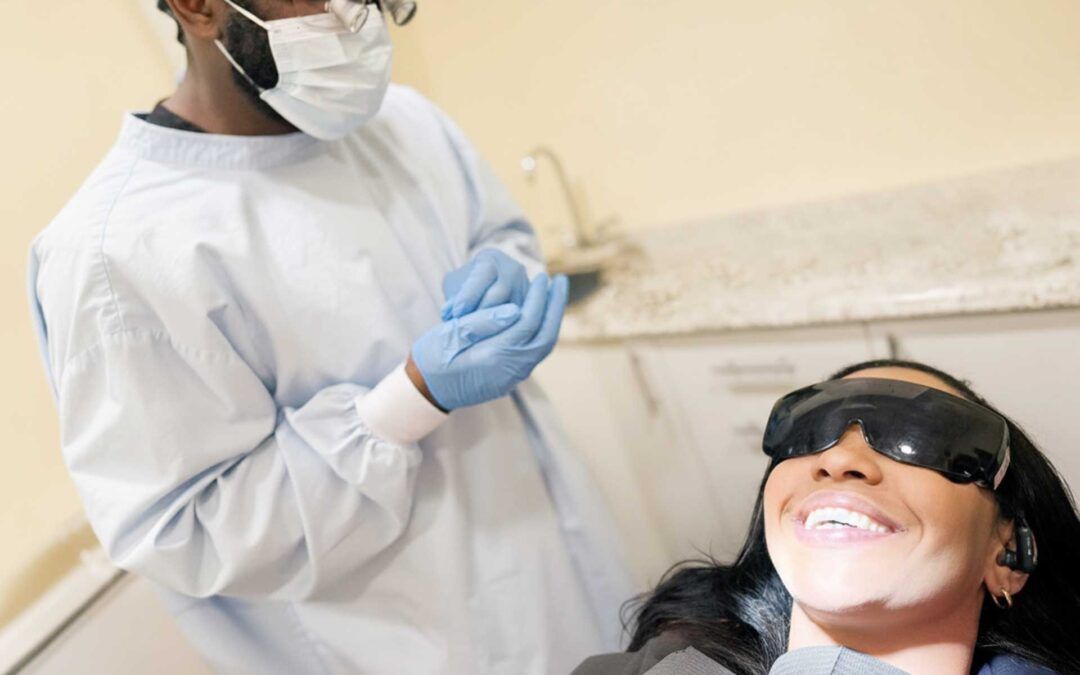
Teen cavities often start with everyday routines that do not look like a problem at first. They often build from ordinary habits: sipping an energy drink through the afternoon, snacking between classes, brushing late when your teen is already exhausted, or rushing around brackets and wires after orthodontic appointments.
The tricky part is that teens can have early decay before anything hurts. A tooth can look normal from the outside while enamel is already weakening, especially between teeth or in the grooves of back molars. That is why regular exams, cleanings, digital x-rays, fluoride, sealants, and honest conversations about habits matter so much during the teen years.
At Audubon Dental Center of Clinton, we help families protect teen smiles without shame or lectures. Our goal is to make prevention practical for real life, because school, sports, work, social plans, late nights, and independence all change how teens care for their teeth.
Key Points
- Energy drinks, sports drinks, soda, and sweet tea can feed cavity-causing bacteria.
- Frequent snacking keeps teeth exposed to sugar and starch throughout the day.
- Brushing late at night is better than skipping, but tired brushing is often rushed.
- Braces, aligners, retainers, and mouthguards can make cleaning more complicated.
- Regular checkups help catch early decay before pain starts.
- Fluoride treatments, sealants, and composite fillings can help protect and repair teen teeth.
Why teens are a unique cavity-risk group
Teenagers are old enough to manage their own brushing, but not always consistent enough to do it well every day. They also have more freedom over what they eat and drink, especially at school, practice, work, or while out with friends. That independence is healthy, but it can bring more sugar, more snacking, and less supervision.
Teens also tend to have busy schedules that push oral care to the edges of the day. By the time homework, practice, dinner, screens, and bedtime happen, brushing can become a half-awake routine. If they wear braces, retainers, or mouthguards, there are even more areas where plaque can hide. This is not about blaming your teen. It is about spotting the patterns early enough to change them.
Energy drinks are not harmless for teeth
Energy drinks are one of the biggest sneaky risks for teen cavities. Many are high in sugar, and even sugar-free versions can be acidic. That combination can be hard on enamel, especially when a teen sips slowly over time.
The sipping pattern matters. Drinking an energy drink quickly with a meal is different from carrying it around for two hours. The longer teeth are exposed, the longer bacteria have a chance to create acids that attack enamel.
If your teen drinks energy drinks, sports drinks, soda, juice, sweet tea, or flavored coffee, encourage water as the default drink. A realistic first step is reducing frequency, not pretending the habit will disappear overnight.
Snacking all day keeps teeth under attack
Teens are hungry, and that is normal. The issue is not snacking itself. The issue is grazing all day on chips, crackers, candy, granola bars, gummies, cookies, or sweet drinks without giving saliva enough time to help the mouth recover.
Every time your teen eats sugar or starch, bacteria in plaque can make acids. When snacks happen again and again, teeth spend more time in an acid attack cycle. That raises cavity risk even if your teen brushes at night.
Try shifting snacks toward options that are easier on teeth, such as cheese, nuts if safe, yogurt without heavy added sugar, crunchy vegetables, or a full snack eaten in one sitting. Water after snacking also helps rinse away food particles and sugar.
Late brushing is better than no brushing, but it needs to count
Plenty of teens brush right before bed. The problem is that late brushing can be rushed, distracted, or skipped entirely when they are tired. Some teens brush for 20 seconds, miss the gumline, skip flossing, or forget around back molars.
Brushing before bed is important because saliva flow slows during sleep. If sugar, plaque, and food debris stay on the teeth overnight, bacteria have hours to do damage. A better bedtime routine can make a real difference.
We recommend brushing for two minutes with fluoride toothpaste and cleaning between teeth daily. If your teen is too tired at midnight to do it well, move brushing earlier in the evening after the last snack.
Braces and aligners can raise the stakes
If your teen has braces, clear aligners, or retainers, cavity prevention needs extra attention. Brackets and wires create more places for food and plaque to collect. Aligners and retainers can trap residue against teeth if they are worn after sugary drinks or without brushing.
This doesn’t mean orthodontic treatment is bad for teeth. It means home care has to match the appliance. Teens with braces often need more time, better technique, and sometimes extra tools to clean around brackets.
During routine visits, we can check for plaque buildup, white spots, gum irritation, and early decay. If we catch these changes early, we can help your teen adjust before permanent damage happens.
How we help prevent teen cavities
At Audubon Dental Center of Clinton, we take teen cavity prevention seriously without making the visit feel heavy. We start with a cleaning, exam, and conversation about what daily life actually looks like. Then we explain what we see in clear, practical language.
Our Clinton general dentistry services include cleanings, x-rays, sealants, fluoride treatments, and composite fillings. If we find early signs of decay, we can talk about whether fluoride, sealants, home-care changes, monitoring, or a filling is the right next step.
We also use dental technology to help families understand what is happening. Digital x-rays, intraoral cameras, iTero scanning, AI-assisted x-ray reading, and 3D printed models can make dental care easier to see and understand.
Simple habit changes that work
The goal here is to make the risky habits less frequent and the protective habits easier. Small changes are more likely to stick than a complete lifestyle overhaul.
Start with one or two changes at a time. Keep water available, move brushing earlier, stock better snacks, and schedule regular dental checkups before the school year gets too busy. If your teen wears braces or a retainer, ask us which cleaning tools would help most.
Teens are more likely to cooperate when the plan feels realistic. We’re happy to be the friendly outside voice that explains the “why” without turning it into a parent-teen battle.
Make the next visit easy
If it has been more than 6 months since your teen’s last dental visit, now is a good time to schedule. Regular checkups help prevent cavities, detect early signs of gum disease, and keep your teen’s smile healthy year-round.
Audubon Dental Center of Clinton provides comprehensive family dental care for all ages, so your teen can get preventive care, fillings, orthodontic support, emergency care, and ongoing guidance in one familiar place. We can often help families simplify scheduling, especially when multiple family members need appointments.
Book online or call (301) 856-1122 to schedule your teen’s visit. For patients without insurance, ask us about our $149 New Patient Special, which includes a comprehensive exam, perio charting, modern digital x-rays, and a personalized treatment plan.
Recent Comments